Portable fire extinguishers remain the first line of defense against many workplace fires, but their effectiveness depends on proper selection, placement, inspection, and maintenance. That is why NFPA 10, Standard for Portable Fire Extinguishers, remains one of the most important documents in the fire protection industry, establishing requirements for the selection, installation, inspection, maintenance, and testing of portable fire extinguishers across commercial, industrial, healthcare, educational, hospitality, and government facilities.
Compliance with NFPA 10 helps ensure extinguishers are:
- Installed in appropriate locations
- Readily accessible during an emergency
- Properly maintained and operational
- Matched to the hazards they are intended to protect against
To maintain readiness, the standard requires ongoing inspection, maintenance, testing, and recordkeeping.
Proper Extinguisher Selection Still Matters
NFPA 10 classifies extinguishers according to the hazards they are designed to protect:
- Class A: Ordinary combustibles such as paper, wood, cloth, and many plastics
- Class B: Flammable liquids and gases
- Class C: Energized electrical equipment
- Class D: Combustible metals
- Class K: Commercial cooking oils and fats
Selecting the correct extinguisher remains fundamental to both safety and compliance. While many facilities rely on versatile ABC-rated extinguishers, specialized hazards may require dedicated Class D or Class K extinguishers for effective protection.
Inspection, Maintenance, and Compliance
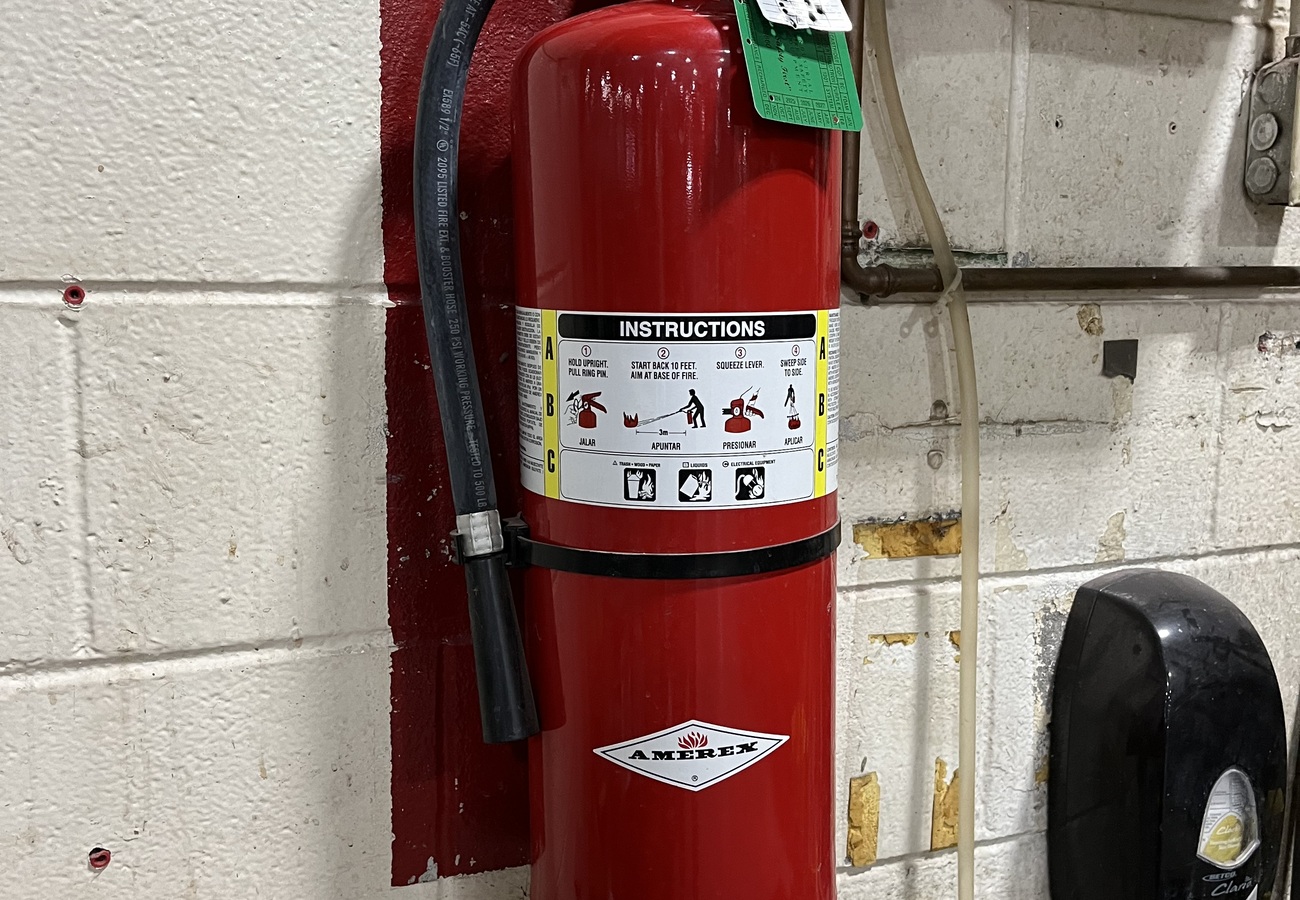
Even the best extinguisher cannot protect lives or property if it is not properly maintained. NFPA 10 requires extinguishers to be inspected at least every 30 days unless an approved alternative inspection program is in place. Inspections verify that extinguishers are visible, accessible, properly pressurized, free of damage, and located where intended, with inspection records properly documented.
In addition, qualified personnel must perform annual maintenance and periodic testing as required by the standard. Common compliance issues include:
- Obstructed extinguishers
- Missing or outdated inspection tags
- Damaged equipment
- Overdue maintenance or testing intervals
A proactive inspection and maintenance program helps reduce compliance risks while ensuring extinguishers remain ready when needed most.
Key NFPA 10 Updates in the 2026 Edition
The recently released 2026 edition of NFPA 10 includes significant updates designed to modernize compliance and inspection practices. The most notable change is the formal recognition of electronic monitoring and performance-based inspection programs. Subject to approval by the Authority Having Jurisdiction (AHJ), facilities may now use approved monitoring technologies to supplement or replace certain manual monthly inspection activities. This reflects the growing adoption of digital compliance tools and remote monitoring systems throughout the fire protection industry.
For organizations managing large numbers of extinguishers, electronic monitoring can provide:
- Continuous visibility into extinguisher status
- Automated compliance documentation
- Reduced labor associated with routine inspections
- Faster identification of missing, damaged, or compromised extinguishers
These updates build upon discussions from the previous NFPA 10 revision cycle, which introduced the concept of Performance-Based Inspection Programs. Under this approach, end users can submit performance data and a documented plan to their AHJ for approval to extend routine inspection intervals from 30 days to as much as 90 days. Even with these new options, regular inspections remain essential to ensure extinguishers stay accessible, properly located, and ready for use.
Staying Ahead of Industry Changes
NFPA 10 continues to evolve alongside emerging technologies and new fire protection challenges. The addition of electronic monitoring and performance-based inspection options demonstrates how the standard is adapting to modern facility management while maintaining its focus on life safety.
However, it is important to remember that NFPA standards do not become enforceable until adopted by the applicable state or local authority. Facility owners, distributors, service providers, and safety managers should always verify which edition of NFPA 10 is recognized by their AHJ before implementing new compliance strategies.
By staying informed on the latest NFPA 10 requirements and updates, organizations can strengthen compliance, improve fire protection programs, and better protect people, property, and operations.