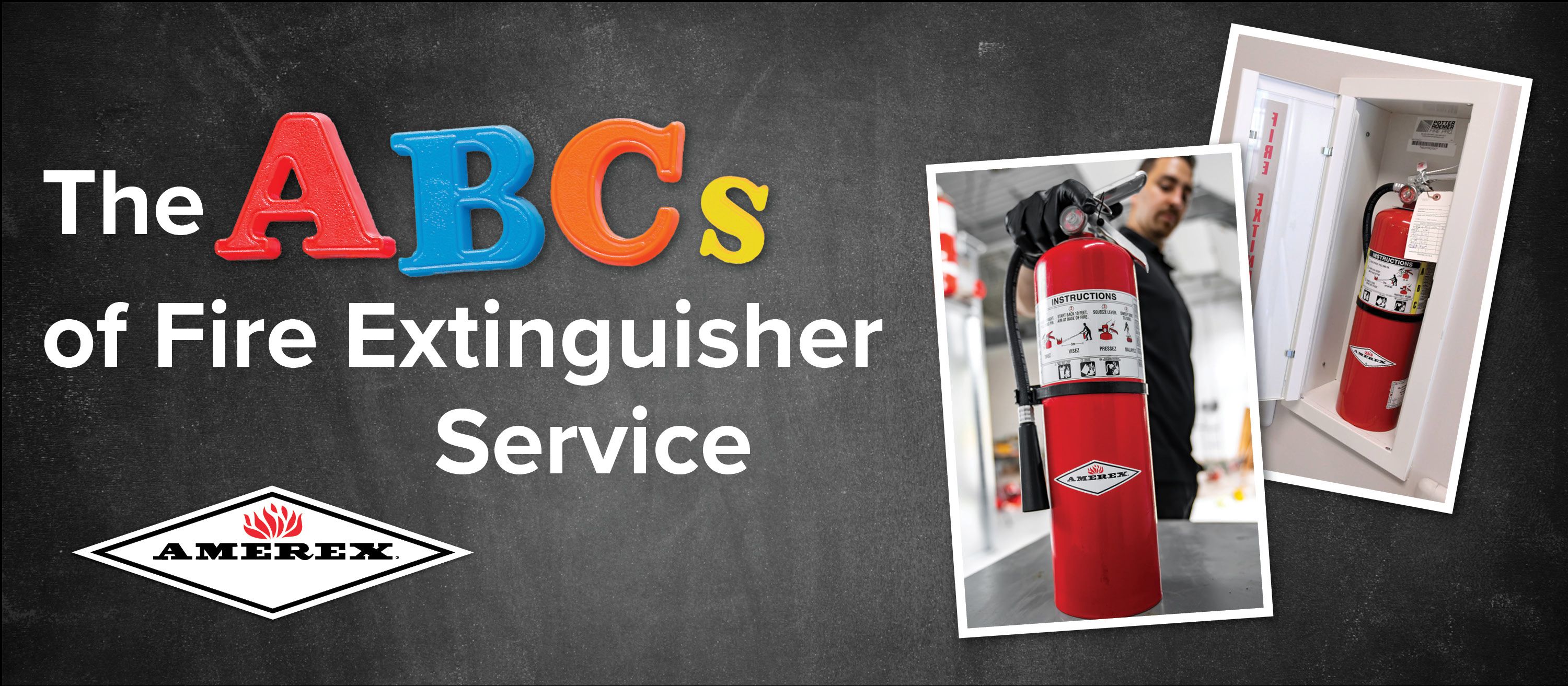
The ABCs of Fire Extinguisher Service
Your Guide to Inspection, Testing, and Maintenance
Fire extinguishers are often the first line of defense against small fires—but only if they’re properly maintained. Whether you’re a facility manager, safety officer, or business owner, understanding the essentials of fire extinguisher service is critical to keeping your workplace safe and compliant.
Let’s break it down from A to Z.
Know Your Fire Extinguisher Types
Before you inspect or service a fire extinguisher, you need to know what kind you’re working with. Each type is designed for specific fire hazards:

✅ Monthly Visual Inspection Performed by a Certified Professional
Required by OSHA (29 CFR 1910.157), this quick check ensures:
The extinguisher is in its designated location
It’s visible and accessible
The pressure gauge is in the operable range
There’s no physical damage, corrosion, or leakage
The pull pin and tamper seal are intact
Tip: A professional fire safety expert will record the inspection date and initials on the tag. Keep records for at least 12 months.
Internal Maintenance & Hydrostatic Testing by a Certfied Professional
Depending on the type, extinguishers require deeper service:
Dry chemical: Internal exam every 6 years; hydrostatic test every 12 years
Water, CO₂, wet chemical: Hydrostatic test every 5 years
Hydrostatic testing involves pressurizing the cylinder to check for leaks and structural integrity.
Annual Maintenance Inspection
Performed by certified professionals, this inspection includes:
Thorough examination of mechanical parts
Verification of extinguishing agent and expelling means
Tagging with the date and technician info
If the extinguisher fails, it must be repaired or replaced.
Why Fire Extinguisher Service Matters
Regular fire extinguisher service isn’t just smart—it’s legally required. NFPA 10 makes the building owner responsible for ensuring extinguishers are inspected and maintained.
Benefits include:
Early detection of damage or malfunction
Extended equipment lifespan
Compliance with OSHA and fire codes
Peace of mind for employees and customers
What to Expect From a Professional Fire Extinguisher Service
When you hire a fire protection company, you’ll receive:
Visual and mechanical inspections
Hydrostatic testing (if needed)
NFPA 10-compliant service
Documentation and inspection tags
Expert advice on placement, type, and replacement
Find a Fire Extinguisher Service Near You
Need help? Use our Find an authorized Amerex distributor near you page to locate a qualified fire extinguisher service provider in your area.